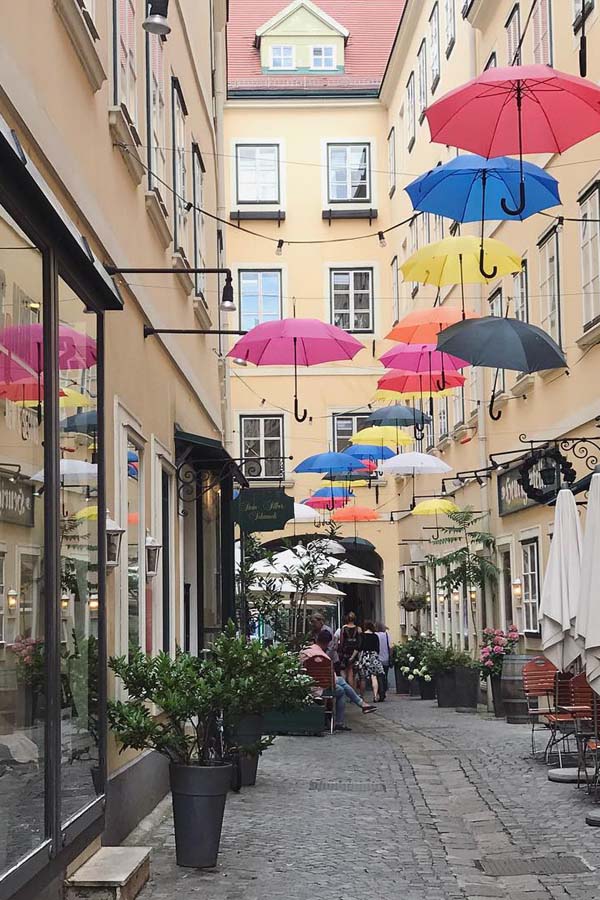

On a lively stretch of Parisian pavement in Montparnasse, far from the jeepneys and fiestas of Central Luzon, the aroma of sizzling pork and garlic drifts out of a modest restaurant called Place de Manille. Inside, the hum of conversation rises above the rhythmic clang of a hot plate, where a serving of sisig crackles on cast iron. It is the sound and scent of Pampanga in the French capital.
Place de Manille was founded by Ariel Manganti, his wife, and their son Mark Manganti, the restaurant’s chef. The family hails from San Fernando, Pampanga, a province often spoken of in the Philippines with culinary reverence. Pampanga is widely regarded as the country’s unofficial food capital, a place where recipes are guarded like heirlooms and celebrations revolve around lavish spreads.
Book your next flight here!For Ariel, opening a restaurant in Paris was never a passing idea. “It has always been my life dream to own a restaurant to showcase Kapampangan food, not only to Filipinos, but to everyone,” he says.
That dream, however, did not arrive easily. Ariel and Mark have a lot of cooking experience, they built on these experiences until that time an opportunity presented itself.
Table of Contents
A Taste of Pampanga in Paris
The Manganti family built Place de Manille out of what Ariel describes simply as “love for food and cooking.” In the early months, they faced the familiar struggles of any independent restaurant: sourcing authentic ingredients, building a clientele, and introducing a cuisine that remains underrepresented in Europe’s culinary mainstream.
“There were hardships at the beginning,” Ariel admits. “Starting something new in a foreign country is never easy. But we believed in our food.”
Half a year later, that belief appears to be paying off. The dining room fills steadily, a mix of homesick Filipinos, curious Parisians, other locals working near the place, and adventurous tourists who wander in seeking something beyond the usual Asian offerings of sushi and pad thai.
No Fusion, No Compromise
Unlike many immigrant restaurants that adapt recipes to suit local tastes, Place de Manille draws a firm line. There is no fusion menu here, no French reinterpretations, no toned-down spices.
“We want it authentic,” Ariel says plainly. “This is how we cook at home. This is how Pampanga tastes.”
And Pampanga tastes bold.
The menu reads like a greatest-hits collection of Filipino comfort food. The sizzling Kapampangan sisig arrives chopped and seasoned, bright with calamansi and chili. The lechon belly boasts crackling skin that shatters under a fork, made special by their homemade lechon sauce. There are platters of calamares, golden and crisp; smoky chicken barbecue inasal; and delicate, crispy okoy fritters.

Hearty stews such as kare-kare, thick with peanut sauce, and the vinegary depth of chicken adobo anchor the table. Crisp lumpiang shanghai sit beside fresh, herb-filled lumpiang sariwa, offering two distinct expressions of the beloved spring roll. To drink, bright juices of guava and calamansi cut through the richness.
In the kitchen, Mark moves with quiet focus. Raised on the flavors of Pampanga, he sees his role as both cook and cultural ambassador.
“I hope Filipino cuisine can be known like other Asian dishes,” Mark says. “When people think of Asian food, they immediately think of Japanese, Thai, or Chinese. I want them to think of Filipino food too.”
More Than a Meal
On some days, Place de Manille transforms into something closer to a Filipino gathering. A live band called Paldotitos, among other performers, sets up the stage, playing familiar OPM tunes and crowd favorites. Between sets, diners are invited to take the microphone.
Visitors and regulars alike sing during the band’s pauses, some shyly, others with lively flair. For a moment, Paris feels less like Paris and more like one’s hometown in the Philippines.
The music, like the food, is unfiltered and unabashedly Filipino.
.png)
Building Recognition
Filipino cuisine has long existed in the shadow of its Asian neighbors on the global stage. Yet chefs and restaurateurs across the diaspora have begun pushing it into the spotlight. In Paris, a city synonymous with gastronomy, the Manganti family’s insistence on authenticity is both a risk and a statement.
Ariel says that diners come from different ethnicity and it does make one excited to see their reaction at their first taste of sisig, tentatively squeezing calamansi over the sizzling platter.
“We want them to discover who we are through our food,” he says.
Half a year after opening, Place de Manille stands as proof that pride, persistence, and pork (plenty of pork) can carve out a space even in one of the world’s most competitive culinary capitals.
For the Mangantis, the journey from San Fernando to Paris is measured not only in kilometers but in dishes served, songs sung, and a growing recognition that Filipino food belongs on the global table.
Read related : The Healthy Brunch Club : Filipino flavors reimagined

Place de Manille
📌98 Boulevard du Montparnasse, 16 Rue Delambre, 75014 Paris, inside a building called Les 7 Parnassiens
🚇 By Metro
Paris’s Métro makes it easy to reach this address:
-
Vavin (Line 4) is the closest station — about 2 minutes’ walk from Rue Delambre.
-
Edgar Quinet (Line 6) is also nearby — roughly 3–4 minutes’ walk.
-
Montparnasse–Bienvenue (Lines 4, 6, 12, 13) is about 5–7 minutes’ walk away.
🚌 By Bus
Several bus lines stop close by on Boulevard Montparnasse and surrounding streets:
-
Lines 38, 58, 68, 88, 91 have stops a short walk from Rue Delambre.
🚆 From Train Stations
-
Gare Montparnasse — the major Paris train hub — is about 8–10 minutes on foot, or a short metro ride to Pernety or Montparnasse-Bienvenue.


Love, love, love Filipino food! Would definitely drop by when I’m in Paris!
Yes..so worth it! Would have come earlier so I could have sang a song lol… ^_^